How To Fit A Wet Room
Bathroom Tilers Leeds
The best way to decorate a kitchen, bathroom, or cloakroom is by tiling. Tiling is easy to clean and suitable for humid and wet rooms. It has been a popular decorating method for centuries. Tiling your own tiles can be difficult and time-consuming. People often prefer to hire a professional tiler.
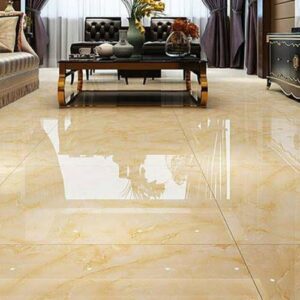
Wet Room Tiling Ideas
It is best to choose non-porous ceramic tiles or sheet vinyl when choosing tiles. Stone tiles such as granite and marble will need to be sealed every few months in order to remain waterproof. Underfloor heating is a great option. It not only makes the floor look amazing in winter but also allows for drying out after showering. Effective ventilation is essential for bathroom installation due to the high levels of moisture in the air. An extraction system that pulls moisture from the room and vents it outside should be your goal. Depending on the location of your bathroom, which type of bathroom ventilation fan do you need?
Do Wet Rooms Leak
In the past wet rooms were only suitable for bathrooms on the ground floor with concrete floors. However, modern converting techniques have allowed any bathroom to be converted into a wet space with the addition of a waterproof subfloor. As mistakes in drainage and waterproofing can be very costly, we recommend that professionals handle the installation of wet rooms. Every wet room design must be considered in terms of safety, cost, and structural considerations.
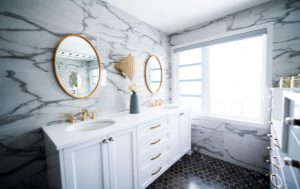
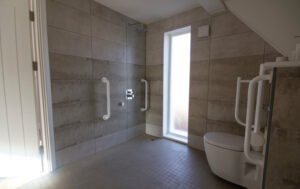
Wet Room Fitters Leeds
You will lose the value of your wet-room installation if you attempt to do the job yourself and end up paying more for labour and materials. A professional will not only have your wet area installed quicker, but will also make sure that everything like water drainage, waterproofing, underfloor heating, and other necessary elements work properly. It is difficult to set up a wet area on your own due to the many factors involved. The cost of hiring a professional wet room installer is worth the effort.
Best Wet Room Installers Near Me
Underfloor heating helps to keep every part of your new room dry, whilst providing warmth for your feet that is especially great on those cold winter mornings. It can be installed under all different types of flooring – from wood to tiles and carpet. Underfloor heating mats are the likely best choice. They’re easy to install and heat up faster than the alternative wet systems. Again, this is something that you don’t want to cheap out on, as you won’t have a thermostat or effective heating solution by doing so. Wet underfloor heating systems are connected to your central heating system, so you’ll need a plumber to hook everything up correctly.
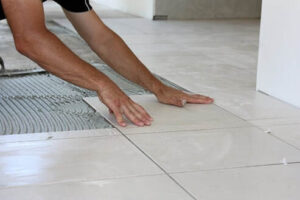
How Much Is A Wetroom
A stylish wetroom bathroom is a great way to increase the value of your home. A wet room, which is a waterproofed bathroom that allows for level access to the shower, has a modern look and provides a contemporary feel. Usually, a shower tray with drain is integrated into the floor. Then it's tiled over. One of the most sought-after trends in bathroom design is wet rooms. Although they are easy to fit into most bathrooms, the installation of wet rooms can be more complicated than a regular shower. These showers offer the perfect combination of function and form when designing a bathroom. They are sleek and contemporary, evocative for boutique hotel luxury, and offer many practical benefits such as easy cleaning and accessibility for those with limited mobility. Wet room solutions can be tailored to any bathroom size with seamless floor-to wall tiling and flush floors. A wet room can be used to optimize space, whether it's a spacious family bathroom with a separate shower or a unique shaped en-suite tucked into a loft.
Altro Wet Room Flooring Installation
Having a set of floors tiled in your home can make a huge difference to the ambience and living environment – but it can also have a huge impact on your bank balance if you’re not careful. Some tile options are cheaper than others, while some are more premium and perha£ suitable for a feature somewhere like a fireplace, but not the entirety of a room, depending on your budget. The choice of pattern design will also dictate the price that you will pay, the more complex the pattern, the more time and skill is needed from your tile fitter, resulting in higher prices for fitting. As you’d expect, straight-edged tiles are less expensive than curved ones, or those with bevelled edges. You can still create impressive patterns with simple tiles, so don’t think you’re missing out if you’re not buying the most complex design on the market! The size of the room in which your are getting the floor tiled will raise or lower your price accordingly, not only in materials, but also in labour costs, too. The larger the space, the more time it’ll take to prepare and lay the tiles – as well as literally needing more product to fill the area.
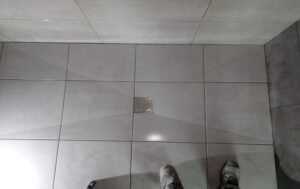
How do you tile a wetroom floor?
Tiling your wet room floor You can do this by applying flexible tile adhesive along the edges of all the walls where they meet the floor. In the corners, apply joining tape to create a watertight seal. Once you have placed the tape, you can apply a small amount of tiling adhesive to set them in place.
What is the difference between a wet room and a bathroom?
What's the Difference Between a Wet Room and Traditional Bathroom? A wet room is a bathroom that contains a shower with no threshold. Typically a wet room will have a single wall blocking the shower area from the rest of the bathroom. A slope in the floor helps direct water to the drain.
When tiling do you start in the middle of the room?
Begin laying tile in the center of the room and work your way out. The first step in laying out tile is to mark a guideline, or layout line, in the room to make sure your tile pattern is evenly centered. Measure the four walls in the room with a tape measure to find the midpoint.
Is there a difference between floor and wall tile?
Floor tile is made thicker and harder to withstand foot traffic, appliances, furniture, etc. And most have added texture to reduce the risk of slips. Wall tile tends to be thinner, smoother and more delicate. It's also much slicker when it's wet, which is why wall tile is not recommended underfoot.