Tilers In Leeds 15
How To Create Wet Room
Of course wet rooms are, by their very nature, wet, which means there are a few things to consider when planning one to make sure it doesn’t end up being slippery, leaky or cold. Getting the tanking right is vital to stop water seeping into other rooms, which can be costly and disruptive. Adequate drainage and ventilation are also a must. Tankingl, or waterproofing, a wetroom is one of the most important areas to get right. Your subfloor will have a bearing on the product you use. With concrete floors, you only typically need a thin membrane to prevent any leaks; these are generally thin self-adhesive products. For timber floors, a thicker membrane is required to prevent leaks and incorporate decoupling properties. These too are self-adhesive so you can start tiling as soon as you finish laying it.
Build Wet Room Shower
In a wet area, drainage and waterproofing are crucial. Because there may be more water than usual in a room, it is important to waterproof the entire area. To ensure that water flows towards the drain, the floor must be sloped. The walls surrounding the shower and the lower portion of the walls in the wet area should also be waterproof.
Wet Room Installation On Wooden Floor
There are many factors that can affect the cost of tile in your bathroom. The first is the size of the tile area. Tile the entire room. This means tiling all floors and walls. Tile above the sink is the cheapest option. Next, consider the materials used to make the tiles. Vinyl tiles are more expensive than natural stone tiles. Cost of materials and labour will be affected by the size and shape the room. The job will be more time-consuming and therefore more expensive if the tiles are not cut precisely. There are many factors that can affect the price of tiles, so you'll need to make many decisions. Remember that the majority of the cost is due to labour. It can be difficult work.
Wet Room Tiling
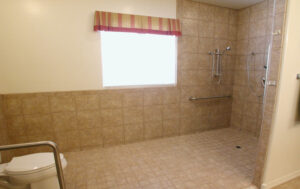
A stylish wetroom bathroom is a great way to increase the value of your home. A wet room, which is a waterproofed bathroom that allows for level access to the shower, has a modern look and provides a contemporary feel. Usually, a shower tray with drain is integrated into the floor. Then it's tiled over. One of the most sought-after trends in bathroom design is wet rooms. Although they are easy to fit into most bathrooms, the installation of wet rooms can be more complicated than a regular shower. These showers offer the perfect combination of function and form when designing a bathroom. They are sleek and contemporary, evocative for boutique hotel luxury, and offer many practical benefits such as easy cleaning and accessibility for those with limited mobility. Wet room solutions can be tailored to any bathroom size with seamless floor-to wall tiling and flush floors. A wet room can be used to optimize space, whether it's a spacious family bathroom with a separate shower or a unique shaped en-suite tucked into a loft.
How Much For Wet Room Installation
In the past wet rooms were only suitable for bathrooms on the ground floor with concrete floors. However, modern converting techniques have allowed any bathroom to be converted into a wet space with the addition of a waterproof subfloor. As mistakes in drainage and waterproofing can be very costly, we recommend that professionals handle the installation of wet rooms. Every wet room design must be considered in terms of safety, cost, and structural considerations.

Cost Of A Wet Room Installation
If you were to do the job on your own, and unfortunately not do it correctly, the costs of additional labour and materials to fix damage will reduce the value of your wet room installation. Not only will a professional have your wet room installed faster, but they will also ensure that things such as water drainage, waterproofing, and underfloor warming work as they should. There are so many aspects that you need to consider, which make it very difficult to install a wet room on your own. Per day, the cost of a specialist wet room installer is worth it.
How Much For A New Wet Room Installation
So long as your bathroom is redone from the flooring upwards and the installation is done by a professional, your wetroom will be able to function no matter what sort of house you live in. However, it is important to note that you’ll need a slanted shower drain to allow water to go down, and you’ll need to waterproof (tanking) the entire room. Choose the best materials for your budget – you really don’t want to cut corners, as this could lead to expensive repair costs later down the line.
What do you tile first in a bathroom?
Whilst you can tile either one first, popular opinion based on experience is that is is easier to tile the walls first and then the floor, if you are tiling both in a room. This ensures that you keep the floor tiles cleaner as you won't be doing so much work around them once they are installed.
Can a wet room have a tiled floor?
When it comes to wetroom design and installation, tiles are a reliable floor material to work with for a variety of reasons. Not only can they be installed on timber or solid floors, but they work exceptionally well with the latest drainage and waterproofing solutions available on the market.
When tiling do you start in the middle of the room?
Begin laying tile in the center of the room and work your way out. The first step in laying out tile is to mark a guideline, or layout line, in the room to make sure your tile pattern is evenly centered. Measure the four walls in the room with a tape measure to find the midpoint.
Is a bathroom a wet room?
A wet room is a totally waterproofed or tanked bathroom with a shower area at the same level as the rest of the floor. The water drains away through a flush drain within the shower area. As the walls and floor are sealed by a waterproof membrane, there is no risk of runaway water causing damage.